Nitrogen Solutions
Sygma Energy provides comprehensive nitrogen services including leak testing, purging, and pneumatic testing to ensure the safety and integrity of your pipeline and process systems.

Nitrogen - Soapy Bubble Leak Testing
Soapy bubble leak testing is a simple yet effective leak-detection technique used to identify surface leaks in pressurized systems. In this method, the system is first pressurized using nitrogen gas or compressed air to the specified test pressure. A specially formulated soap solution is then applied to joints, connections, flanges, welds, and other potential leak points. The formation of bubbles at the application site provides a direct visual indication of gas escaping through a leak path. Although less sensitive than mass-spectrometer or pressure-decay methods, soapy bubble testing is widely used for its simplicity, rapid response, and ability to accurately pinpoint leak locations during commissioning, maintenance, and post-repair verification activities.
Read More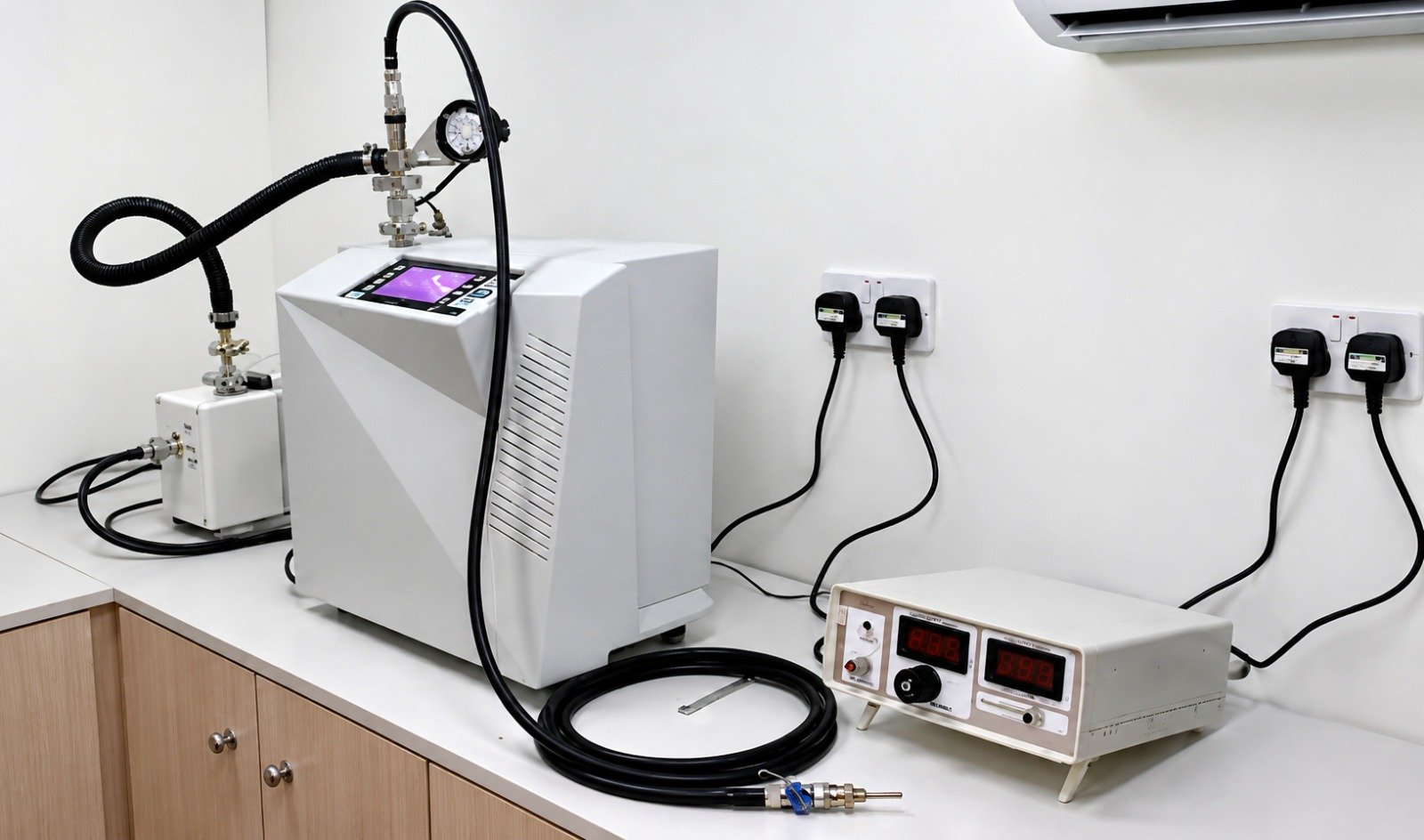
Helium Leak Testing
Helium leak testing is an ultra-sensitive integrity verification method that uses helium as a tracer gas to detect extremely small leaks in pipelines and process equipment. In this method, the system is first pressurized using a test gas mixture consisting of approximately 99% nitrogen and 1% helium to the specified test pressure. The helium-containing tracer gas is then monitored using a mass spectrometer–based leak detector capable of identifying extremely low leak rates. These systems can measure leak rates below 1 SCF/year, corresponding to sensitivities as low as 10⁻¹² mbar·L/s. This high sensitivity makes helium leak testing particularly valuable for high-integrity gas systems, LNG and cryogenic equipment, and applications requiring stringent leak-tightness assurance. Helium is preferred as a tracer gas because its dynamic viscosity (~1.96 × 10⁻⁵ Pa·s) is comparable to that of methane (~1.1 × 10⁻⁵ Pa·s), it is chemically inert, and it has an extremely low natural background concentration. These properties make helium ideal for the precise detection of viscous leaks.
Read More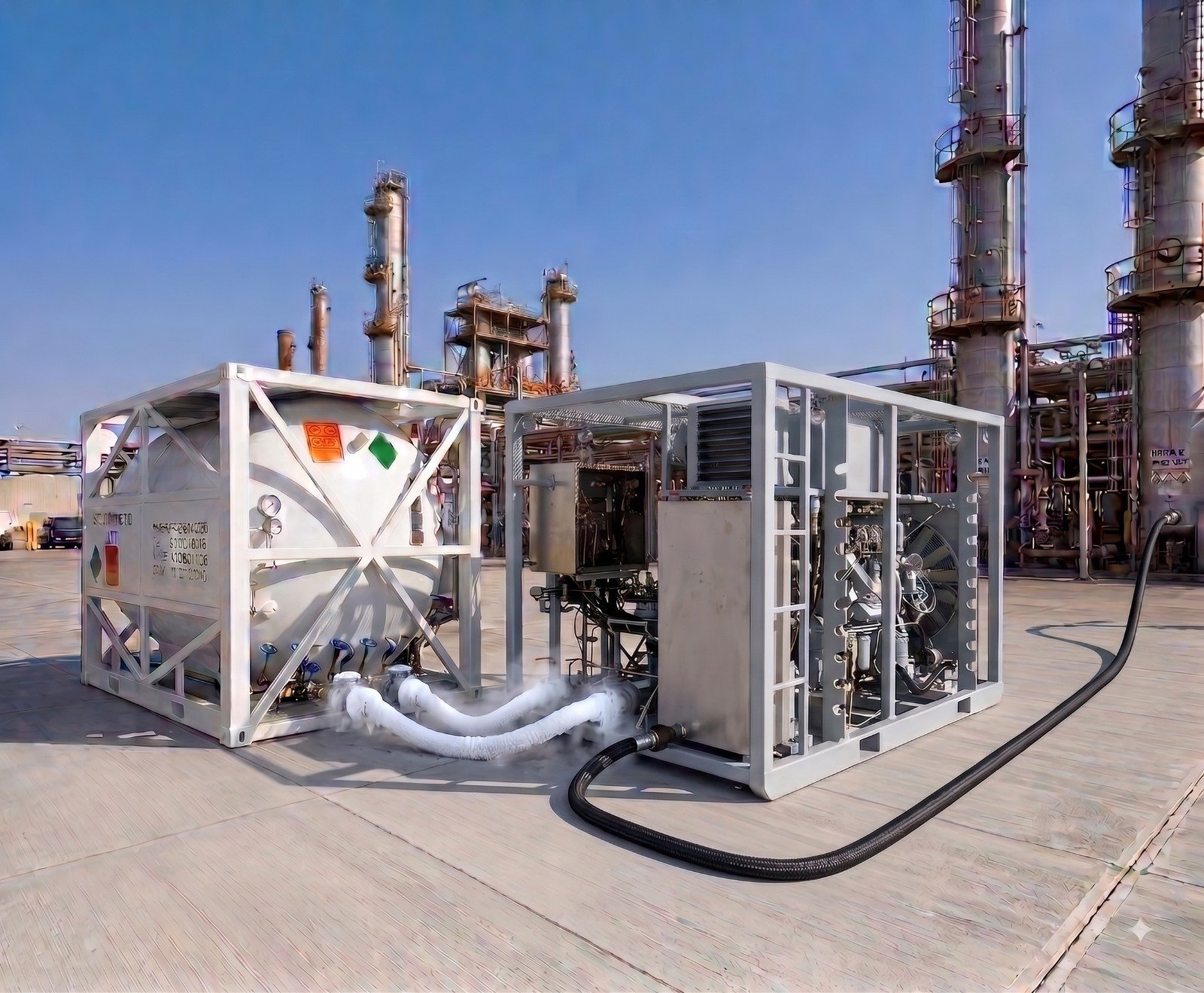
Pneumatic Testing
If a hydrostatic test is not feasible—due to the product handled by the system, specific client requirements, or other constraints—a pneumatic or partially pneumatic test may be used as an alternative, provided prior approval is obtained from the company. Although pneumatic testing involves greater risk because of the high stored energy in compressed gas, it offers significant time savings. The test may be conducted using air or an inert gas. Leveraging extensive experience, SYGMA's engineering team has developed its own specification-compliant methodology, including detailed risk assessments, to deliver practical, safe, and efficient testing solutions tailored to all types of pipeline configurations.
Read More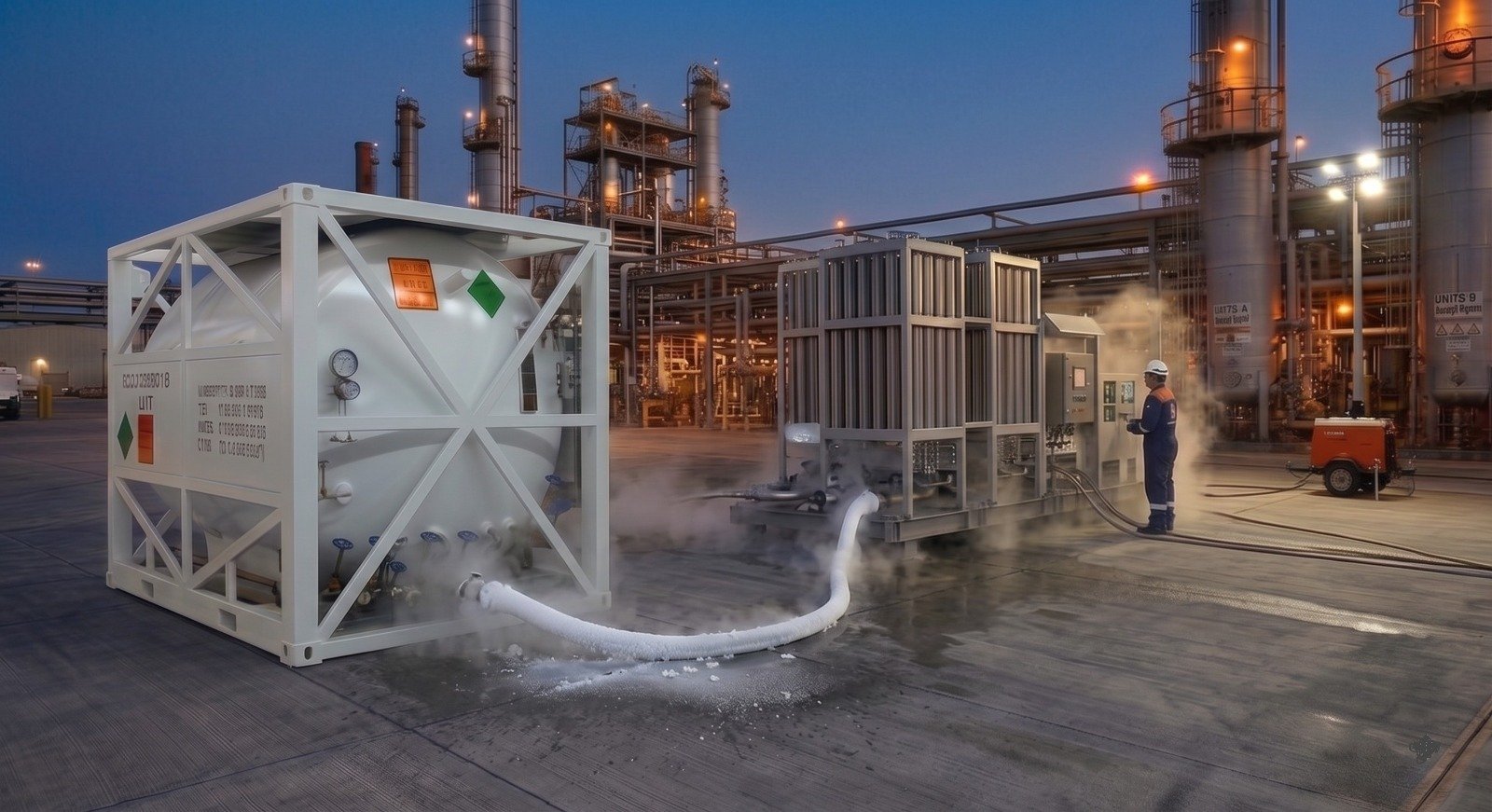
Purging
Prior to commissioning and during maintenance activities, pipelines, process equipment, and process piping must be purged with nitrogen gas to reduce the oxygen concentration to an acceptable level. Residual oxygen within the system can combine with hydrocarbon vapors to create flammable or explosive mixtures, especially after pressure containment has been broken. Therefore, whenever a system is opened, depressurized, or otherwise compromised, appropriate measures must be taken to ensure that an explosive atmosphere is not present while inspection, maintenance, or repair activities are being performed, an explosive atmosphere is not present within the equipment or piping before reinstatement and return to hydrocarbon service, and the integrity of pressure containment is fully restored, tested, and verified before the system is returned to operation. Nitrogen purging and inerting of process vessels, equipment, pipelines, and piping systems are two commonly applied—but functionally distinct—methods used to control and reduce oxygen concentration. These practices minimize fire and explosion hazards by maintaining oxygen levels below flammability limits and also help preserve internal surfaces by preventing oxidation and moisture ingress, thereby extending the longevity and reliability of the system.
Read More